

Gerber Hunting Knife Vs Mossy Oak Hunting Knife
When you are standing in the field at last light, facing the task of field dressing an elk or processing a deer, the wrong knife choice can be a costly mistake. In those critical moments, you need a tool that performs without hesitation—whether that means a blade that holds its edge through heavy skinning or a handle that remains secure when your hands are wet or bloody. This comparison looks at two heavy hitters in the industry: Gerber and Mossy Oak. While both brands offer specialized tools, they approach the needs of the hunter from different tactical and functional perspectives.
This guide is designed for hunters and outdoorsmen deciding between the rugged, task-oriented engineering of Gerber and the specialized, often aesthetic-driven designs of Mossy Oak. We will break down the technical differences between fixed blades and folding knives, evaluate steel types and edge geometry, and determine which brand better serves your specific needs—from heavy-duty bushcraft and quartering to more compact EDC and skinning tasks. Whether you prioritize the absolute strength of a full-tang fixed blade or the portability of a folding knife, understanding these trade-offs is essential for your 2026 gear loadout.
Affiliate disclosure: if you buy through these links, we may earn a commission at no extra cost to you.
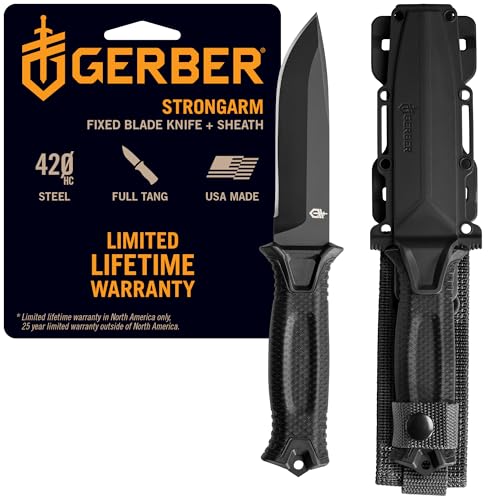
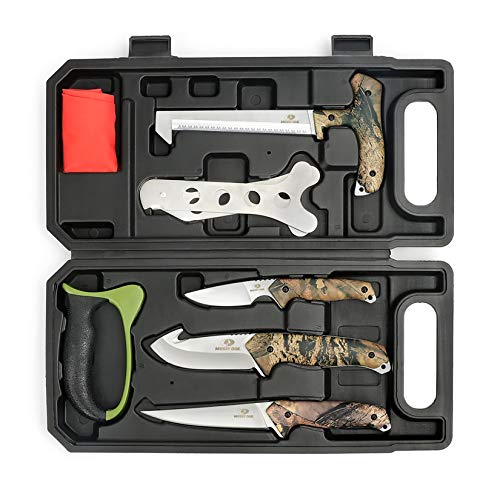

Table of Contents
- Models in this comparison
- Quick Verdict
- About Gerber Hunting Knife
- About Mossy Oak Hunting Knife
- Head-to-Head: Design Philosophy and Durability
- Head-to-Head: Blade Geometry and Task Specificity
- Head-to-Head: Ergonomics and Field Handling
- Who Should Choose Gerber Hunting Knife?
- Who Should Choose Mossy Oak Hunting Knife?
- Our Verdict
- Frequently Asked Questions
- Sources & References
Models in this comparison
Affiliate disclosure: if you buy through these links, we may earn a commission at no extra cost to you.
Quick Verdict
Choose Gerber Hunting Knife if...
- You prioritize heavy-duty reliability and strength through fixed-blade designs like the StrongArm or Ultimate series.
- You need versatile toolsets, such as combo edges or built-in survival features like ferro rods.
- You want a rugged, tactical-leaning design that excels in survival and heavy-duty field tasks.
Choose Mossy Oak Hunting Knife if...
- You are looking for specialized field dressing kits and sets designed specifically for processing game.
- You prefer aesthetic camouflage patterns paired with functional, budget-friendly performance.
- You need lightweight, easy-to-use options for skinning and lighter field dressing tasks.
| Factor | Gerber Hunting Knife | Mossy Oak Hunting Knife |
|---|---|---|
| Primary Design Focus | Tactical-influenced fixed blades and versatile folders | Camouflage-integrated field dressing and skinning kits |
| Best For | Heavy-duty tasks and survival-oriented fixed blades | Affordable, specialized field dressing and skinning tasks |
| Reliability | High (Fixed blades offer maximum strength with no moving parts) | High (Solid construction with no moving parts on fixed models) |
| Key Advantage | Durable, versatile designs like the StrongArm or Ultimate series | Task-specific kits (e.g., 4PC sets) for complete processing |
| Main Drawback | Fixed blades can be less portable than folding alternatives | Specific kits may prioritize aesthetics/theming over heavy-duty tasks |
| Typical Use Case | General hunting, survival, and heavy-duty field work | Efficient field dressing, skinning, and gutting |
About Gerber Hunting Knife
When you look at the Gerber lineup, you are looking at a brand built on the intersection of tactical reliability and field-ready utility. Their offerings, such as the StrongArm and the Ultimate Fixed Blade, often lean into full-tang constructions. For a hunter, this means maximum strength and durability during heavy-duty tasks like quartering an animal. Because these fixed blades have no moving parts, they are easier to clean and more reliable in survival situations compared to folding alternatives.
Gerber's design philosophy often focuses on versatile edge geometry. For instance, the Ultimate series frequently features combo edges, providing a straight edge for slicing and a serrated section for tougher materials. This versatility is useful when you need to transition from skinning to cutting through heavy cordage. While these fixed blades are inherently less portable than a pocket knife, they provide the structural integrity needed when the work gets heavy. The handle ergonomics in their tactical-leaning models often utilize textured polymers, ensuring a secure grip even when hands are wet or bloody during field dressing.
About Mossy Oak Hunting Knife
Mossy Oak products often cater to the hunter looking for a balance of traditional aesthetics and functional field tools. Their offerings, such as the Bowie Knife or specialized Field Dressing Kits, frequently emphasize specialized tasks. For example, their kits often include tools designed specifically for the nuances of processing game, such as gut hooks which are useful for opening the hide without puncturing the stomach cavity. This focus on specific hunting applications makes them a specialized choice for those who want a dedicated kit for the season.
In terms of construction, Mossy Oak's fixed blade options, like their Bowie models, offer the reliability of solid construction with no moving parts. This makes them ideal for skinning and heavy-duty tasks where a folding mechanism might fail. Many of their sets prioritize ease of use and corrosion resistance, which is critical when working in damp environments. While some of their more affordable sets are designed for lightweight use, their higher-end fixed blades provide the ruggedness required for the more demanding aspects of the hunt, such as separating joints or trimming silver skin.
Head-to-Head: Design Philosophy and Durability
When comparing Gerber and Mossy Oak, the first thing you notice is the divergence in engineering intent. Gerber products, such as the StrongArm or the Ultimate Fixed Blade, often lean toward a tactical-influenced design. These knives frequently feature full-tang construction and robust materials designed to withstand heavy-duty tasks like own-field dressing or survival scenarios. Because fixed blades have no moving parts, they offer a level of structural integrity and ease of cleaning that is vital when you are processing game in the field. Gerber’s focus on ruggedness makes their fixed blades a go-to for hunters who need a tool that can transition from skinning to heavy-duty camp tasks without fear of mechanical failure.
Mossy Oak, conversely, often focuses on the specialized aesthetics and functional kits tailored specifically to the hunting experience. While they offer fixed blades like the Bowie-style models, their product lines often include specialized sets—such as field dressing kits—that prioritize specific tasks like skinning and gutting. While a Gerber fixed blade might be the superior choice for sheer strength and reliability in heavy-duty work, Mossy Oak often provides a more specialized "kit" approach. For the hunter, the choice comes down to whether you want a singular, indestructible tool or a specialized set of blades designed for the nuances of the hunt.
Head-to-Head: Blade Geometry and Task Specificity
The geometry of the blade dictates how much work you can get done before you need to reach for a whetstone. Gerber’s lineup often utilizes versatile shapes like the drop-point, which is a staple for general hunting tasks. These blades are designed to balance ease of piercing with enough belly to facilitate skinning. Because many Gerber knives are built with a focus on toughness, the steel and grind are often optimized for a balance of edge retention and ease of sharpening in the field. This makes them highly effective for the "do-it-all" hunter who needs a reliable edge for everything from separating joints to trimming silver skin.
Mossy Oak's offerings often lean into the specific requirements of the harvest. For example, their field dressing kits may include blades specifically shaped for the nuances of skinning or specialized tasks like gutting. While a standard drop-point is great for general use, specialized shapes can be more efficient for certain stages of processing. When choosing between the two, consider your primary use case: if you need a versatile, rugged blade that can handle heavy-duty tasks and general outdoor work, the Gerber fixed blade profile is hard to beat. If you are looking for a specialized tool designed specifically for the intricacies of field dressing, Mossy Oak’s task-specific kits may offer the edge you need.
Head-to-Head: Ergonomics and Field Handling
In the field, your hands aren't always clean. Whether you are dealing with wet conditions or blood, a secure grip is non-negotiable. Gerber handles often utilize textured materials like G10 or rubberized polymers, providing a high-friction grip that remains stable even when the user's hands are slick. This ergonomic focus is critical for maintaining control during precision tasks like caping a trophy or separating tendons. The ruggedness of the handle design ensures that the tool remains comfortable during long hours of use, making it a reliable companion for the hunter who values a secure, "no-slip" interface.
Mossy Oak handles often reflect the traditional or kit-based nature of their products. Some models feature leather-wrapped handles or contoured grips designed for comfort during specific tasks. While Mossy Oak provides excellent utility—especially in their 2-piece or 4-piece sets—the ergonomics are often tuned to the specific task at hand. For the hunter who prioritates a heavy-duty, tactical-style grip that can handle the rigors of the backcountry, Gerber’s rugged handle designs often provide that extra peace of mind. For those looking for a more traditional or task-specific ergonomic feel, Mossy Oak offers a specialized alternative.
Who Should Choose Gerber Hunting Knife?
Gerber is a brand often defined by its tactical heritage and heavy-duty construction. If you are looking for a tool that prioritates structural integrity and versatility, Gerber is likely your better bet. Their fixed-blade offerings, such as the StrongArm or the Ultimate series, are designed with a focus on durability and reliability in survival or high-intensity situations. Because many of their designs feature full tang construction, they are built to handle heavy-duty tasks like quartering large game or processing wood without the risk of a folding mechanism failing.
Choose Gerber if you prioritize:
- Maximum Strength: You need a fixed blade that can withstand heavy-duty tasks and heavy-duty use without moving parts to fail.
- Versatility: You want a knife that can transition from a dedicated hunting tool to a survival or tactical EDC (Everyday Carry) knife.
- Reliability in the Field: You prefer a tool that is easy to clean and maintain after a messy field-dressing session.
Who Should Choose Mossy Oak Hunting Knife?
Mossy Oak products often lean into the specific aesthetics and specialized task-oriented designs of the hunting community. While Gerber focuses on a broad tactical-to-outdoor spectrum, Mossy Oak often provides specialized kits and blades designed specifically for the nuances of the hunt. For example, their field dressing kits and specialized Bowie-style knives are tailored for the specific needs of skinning and processing game.
Choose Mossy Oak if you prioritize:
- Specialized Hunting Tasks: You are looking for specific tools like field dressing kits or specialized blades designed for skinning and separating joints.
- Themed Design: You prefer a tool that reflects the hunting lifestyle through specific camouflage patterns or traditional aesthetics.
- Budget-Conscious Performance: You want an affordable option that provides good edge retention and corrosion resistance for seasonal use without the premium price of high-end tactical steel.
Our Verdict
Choosing between Gerber and Mossy Oak isn't about finding a "better" brand, but about identifying which tool matches your specific hunting workflow. Because these brands approach blade design with different priorities, the right choice depends on whether you value tactical versatility or specialized field-dressing kits.
The Case for Gerber: If you need a rugged, multi-purpose tool that transitions from the campsite to the field, Gerber is the winner. Their fixed-blade offerings, like the StrongArm or the Ultimate series, are engineered for durability and heavy-duty tasks. Because they often feature full-tang construction and versatile blade geometries, they serve as excellent EDC (Everyday Carry) and survival tools. If you want a knife that can handle skinning, processing, and heavy-duty bushcraft tasks without the moving parts of a folder causing issues, go with Gerber.
The Case for Mossy Oak: If your primary focus is the specialized task of processing game, Mossy Oak offers more targeted solutions. Their kits—ranging from field dressing sets to specialized Bowie-style blades—are designed with the specific geometry needed for skinning and separating joints. They are excellent for hunters who want a dedicated, often aesthetically themed, kit specifically for the butchering phase of the hunt. If you are looking for a specialized tool for the "last light" moments of field dressing, Mossy Oak's specialized kits are hard to beat.
Final Recommendation: For the hunter who wants one reliable, heavy-duty tool that can do it all—from camp chores to skinning—buy Gerber. For the hunter looking for a specialized, task-specific kit to own their field-dressing process, buy Mossy Oak.
Frequently Asked Questions
What is the main difference between a fixed blade and a folding hunting knife?
Fixed blade knives are generally more durable and easier to clean because they have no moving parts. They offer maximum strength and reliability for heavy-duty tasks. Folding knives, while less durable than fixed blades, provide much higher portability for EDC (Everyday Carry) applications.
What should I look for in a hunting knife's blade shape?
The right choice depends on your specific task. Drop-point blades are considered great for general hunting tasks, while gut hooks are specifically useful for field dressing. For skinning, a blade with a slight belly curve is often preferred to facilitate smooth skinning strokes.
How do steel types affect hunting knife performance?
High-carbon steel is known for holding an edge longer, making it excellent for extended field dressing sessions. Stainless steel is often preferred for its resistance to corrosion, which is vital when cleaning a knife after contact with moisture or blood.
Why is handle ergonomics important during field dressing?
A secure grip is essential, especially when working in wet conditions or with bloody hands. An ergonomic handle ensures control during critical moments—like separating joints or trimming silver skin—preventing slips that could lead to injury or damage to the meat.
What is the typical size for a hunting knife blade?
A typical hunting knife blade size ranges between 3 and 6 inches. This size range provides a balance between enough steel for heavy-duty tasks and enough control for delicate tasks like caping or separating joints.

