

Benchmade Hunting Knife Vs Buck Hunting Knife
When you are standing over a harvest in the backcountry, your knife is the most critical tool in your kit. It is the difference between a clean, efficient processing job and a frustrating struggle with dull steel or poor ergonomics. For decades, the debate has raged between two titans of American cutlery: Benchmade and Buck. While both brands have deep roots in craftsmanship, they cater to different philosophies of the hunt. Choosing between them isn't just about brand loyalty; it is about deciding whether you prioritize cutting-edge, premium steel technology or time-tested, rugged reliability.
This comparison is designed for the hunter, the outdoorsman, and the collector looking to make an informed investment for 2026. We will look beyond the marketing to examine the technical realities of steel grades, edge geometry, and handle ergonomics. Whether you are looking for a high-end folding knife for your EDC or a heavy-duty fixed blade for quartering large game, understanding how these two manufacturers approach blade thickness, grind types, and ease of field maintenance will help you select the right tool for your specific hunting style.
Affiliate disclosure: if you buy through these links, we may earn a commission at no extra cost to you.


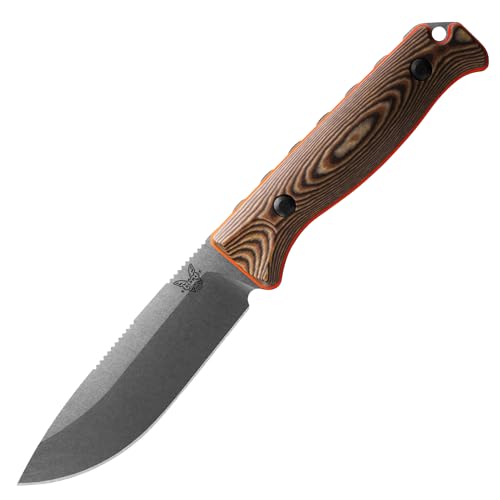
Table of Contents
- Models in this comparison
- Quick Verdict
- About Benchmade Hunting Knife
- About Buck Hunting Knife
- Steel Quality and Edge Performance
- Ergonomics and Field Utility
- Task Specialization: Heavy Duty vs. Delicate Work
- Who Should Choose Benchmade Hunting Knife?
- Who Should Choose Buck Hunting Knife?
- Our Verdict
- Frequently Asked Questions
- Sources & References
Models in this comparison
Affiliate disclosure: if you buy through these links, we may earn a commission at no extra cost to you.
Quick Verdict
Choose Benchmade Hunting Knife if...
- You prioritize premium, high-end steel like S30V or S90V for superior edge retention and corrosion resistance.
- You want precision-engineered ergonomics and advanced blade geometry for specialized tasks.
- You are looking for a high-performance tool that bridges the gap between a professional field knife and a collector's piece.
Choose Buck Hunting Knife if...
- You want a reliable, traditional tool that offers great value and affordability for outdoor use.
- You prefer classic, time-tested designs like the folding lockback that have served generations of hunters.
- You need a dependable, rugged knife for camping and general field tasks where ease of maintenance is key.
| Factor | Benchmade Hunting Knife | Buck Hunting Knife |
|---|---|---|
| Price Point & Value | Premium pricing; focuses on high-end steels and collector-grade quality. | More affordable; positioned as a reliable option for outdoor/camping use. |
| Primary Use Case | High-end EDC, collectors, and precision tasks requiring premium steel. | Reliable field work, camping, and traditional outdoor tasks. |
| Steel & Edge Focus | Advanced, high-performance steels (e.g., S30V, S90V) and precision sharpening. | Durable, reliable stainless steels designed for longevity and ease of use. |
| Design Philosophy | Precision engineering, modern ergonomics, and high-end materials. | Traditional craftsmanship, ruggedness, and dependable utility. |
| Key Advantage | Superior edge retention and premium material availability. | Proven durability and accessible price-to-performance ratio. |
| Main Drawback | Higher investment cost per blade. | May lack the ultra-premium steel specs of high-end competitors. |
About Benchmade Hunting Knife
When you look at the Benchmade catalog, you aren't just looking at tools; you are looking at precision engineering. Since their founding in 1988 in Oregon, Benchmade has carved out a reputation for producing premium-tier knives that prioritize high-end steel and sophisticated ergonomics. While they are widely recognized for their folding pocket knives, their fixed-blade offerings—like the Benchmade Bushcrafter—demonstrate a mastery of geometry and edge retention that is difficult to match in the field.
For the hunter, Benchmade often represents the "premium" choice. They focus heavily on advanced steel types, such as CPM-S30V and S90V, which provide exceptional edge retention and ease of sharpening during field dressing. A typical Benchmade hunting blade, often falling within the 3 to 6-inch range, is designed with specific tasks in mind. For example, the Bushcrafter features a 4.38-inch blade, offering a balance of control for skinning and enough meat on the spine for heavy-duty tasks. Their designs often cater to both the gentleman collector and the serious outdoorsman who requires a sharp, reliable edge right out of the box.
About Buck Hunting Knife
Buck Knives carries a legacy that stretches back to 1902, when founder Hoyt Buck began crafting knives by hand. This deep history has shaped a brand that is synonymous with reliable, durable, and affordable outdoor tools. While Benchmade leans into the premium market, Buck is often viewed as the dependable workhorse for the everyday hunter and camper. Their designs, such as the legendary 110 Folding Hunter, have introduced iconic locking mechanisms that have been trusted by generations of outdoorsmen.
In a hunting context, Buck knives are built to be rugged and functional. They offer a variety of profiles, from the 113 Ranger Skinner to the 120 General, providing different blade shapes for specific field tasks. Because Buck often utilizes stainless steels and classic handle materials, their knives are built to withstand the rigors of camping and hunting without breaking the bank. For the hunter who needs a reliable tool that can be passed from father to son, Buck provides a sense of tradition and toughness that remains a staple in the American hunting community.
Steel Quality and Edge Performance
When we look at the metallurgical divide between these two manufacturers, the distinction is clear. Benchmade focuses heavily on premium, high-end steels like S30V, S45VN, and S90V. These steels are engineered for superior edge retention and hardness, making them ideal for the hunter who wants a blade that stays razor-sharp through multiple field-dressing sessions without frequent honing. The precision in their grind geometry often results in a cleaner, more surgical cut, which is vital when you are working with delicate tasks like caping or fine skinning.
Buck, conversely, offers a more approachable spectrum of steel. While they certainly produce high-quality blades, their catalog is often synonymous with reliable, durable tools that balance cost with performance. Buck knives are frequently viewed as the dependable choice for outdoor and camping use, offering enough toughness to handle rugged tasks while remaining easier to sharpen in the field. While Benchmade pushes the envelope of modern metallurgy, Buck provides a practical, rugged edge that is easier to maintain for the hunter who prefers a traditional approach to tool care.
Ergonomics and Field Utility
In the field, handle ergonomics can be the difference between a successful processing session and hand fatigue. Benchmade designs often lean toward precision-engineered handles—using materials like G10 or specialized polymers—that cater to both the gentleman collector and the professional user. Their designs, such as the Bushcrafter or the Hidden Canyon Hunter, prioritize a secure, ergonomic grip that works well for both fine control and heavy-duty tasks. This focus on high-end ergonomics makes them a premium choice for those who view their knife as a specialized precision instrument.
Buck’s design philosophy often reflects its heritage of ruggedness. Many of their signature models, like the 110 Folding Hunter, utilize classic designs that have been trusted for generations. Their handles are built for durability and ease of use, often featuring materials that can withstand the elements of a camping trip or a long hunt. While Benchmade might offer a more "technical" feel, Buck provides a reliable, intuitive grip that is easy to own and easy to use, making them a staple for hunters who want a tool that is as much a workhorse as it is a companion.
Task Specialization: Heavy Duty vs. Delicate Work
The choice between these two often comes down to the specific task at hand. For heavy-duty work like quartering an animal, a larger fixed blade is often preferred by experienced hunters. Benchmade’s offerings, such as the Bushcrafter, provide the robust construction and steel strength needed for these more demanding tasks. Because they utilize high-performance steels, they can maintain a thin, efficient edge geometry that handles the resistance of heavy tissue without sacrificing the integrity of the blade.
On the other hand, many hunters require a shorter, more control-oriented blade for delicate work like caping or initial incisions. Buck’s variety of models allows for a wide range of blade lengths, typically falling between 3 and 6 inches, which covers the essential spectrum of hunting needs. While Benchmade caters to the user looking for a premium, specialized tool for every specific task, Buck provides a versatile lineup that can serve as a dependable, all-around solution for the hunter who wants one reliable knife to handle multiple roles in the field.
Who Should Choose Benchmade Hunting Knife?
Choosing a Benchmade is an investment in premium materials and precision engineering. Because Benchmade focuses heavily on high-end, premium steels—such as S30V and S90V—and advanced manufacturing, these knives are often positioned at a higher price point. If you are looking for a tool that prioritizes edge retention and sophisticated geometry, Benchmade is the clear choice.
You should choose a Benchmade if:
- You prioritize steel quality: If you want access to advanced CPM steels that offer superior hardness and wear resistance, Benchmade’s catalog is built around these high-performance alloys.
- You are a collector or enthusiast: With a history of precision craftsmanship dating back to their 1988 founding, Benchmade caters to those who appreciate fine-tuned ergonomics and "gentlemanly" EDC quality alongside rugged field use.
- You need specialized task-specific tools: Whether it is the 4.38-inch blade of the Bushcrafter for versatile field tasks or specialized skinner profiles, Benchmade offers highly engineered solutions for specific hunting requirements.
Who Should Choose Buck Hunting Knife?
Buck Knives offers a different philosophy rooted in a legacy that began in 1902. While Benchmade leans into the premium market, Buck is often viewed as the more affordable, reliable option for traditional outdoor and camping applications. Their knives are built to be dependable workhorses that can be passed down through generations.
You should choose a Buck knife if:
- You want value and reliability: Buck is synonymous with dependable outdoor tools. If you need a knife that is rugged, functional, and won't break the bank, Buck provides excellent utility for the price.
- You prefer classic, traditional designs: With iconic models like the 110 Folding Hunter, Buck's designs often reflect a timeless American craftsmanship that focuses on simplicity and ease of use.
- You need a "workhorse" for the field: For hunters who want a reliable tool for camping, skinning, or general outdoor tasks without the specialized cost of boutique steels, Buck offers a robust selection of dependable blades.
Our Verdict
Choosing between Benchmade and Buck isn't about finding a "better" knife; it is about deciding what kind of hunter you are and how you manage your gear. Because these two brands occupy different tiers of the market, your choice depends entirely on your budget and your specific field requirements.
The Case for Benchmade: If you are looking for a premium, high-performance tool where steel quality and precision engineering are the priorities, Benchmade is the winner. Their use of advanced steels like S30V and S90V, combined with superior edge geometry, makes them ideal for the hunter who wants a "buy once, cry once" investment. If you need a specialized tool for delicate work—like the 3.91-inch Infidel or a precision skinner—or a rugged fixed blade like the Bushcrafter, Benchmade offers a level of refined edge retention and fit-and-finish that is difficult to match. They are the choice for the collector and the professional who demands top-tier materials.
The Case for Buck: If you want a reliable, rugged workhorse that you can trust without breaking the bank, Buck is the clear recommendation. Buck knives, such as the 110 Folding Hunter or the 120 General, offer legendary durability and classic designs that have been field-tested for generations. They are the perfect choice for the hunter who needs a dependable tool for camping, skinning, and general outdoor tasks where a lost or damaged knife would be a significant loss. Buck provides the best value-to-utility ratio for those who want a tool that is easy to maintain and ready for heavy-duty work.
Final Recommendation:
- Buy Benchmade if: You prioritize premium steel (S30V/S90V), precision ergonomics, and a high-end, specialized tool for technical hunting tasks.
- Buy Buck if: You want an affordable, rugged, and reliable traditional knife that serves as a dependable companion for camping and general field dressing.
Frequently Asked Questions
What is the main difference between Benchmade and Buck hunting knives?
The primary difference lies in their market focus and price points. Buck is often viewed as the more affordable, reliable option for general outdoor and camping tasks. Benchmade focuses on premium steel, high-end craftsmanship, and caters to both serious hunters and collectors looking for high-performance tools.
How do I choose between a fixed blade and a folding hunting knife?
The choice depends on your specific field tasks. For heavy-duty work like quartering an animal, many experienced hunters prefer a larger fixed blade for its strength and ease of cleaning. Shorter blades, often in folding or smaller fixed formats, are better suited for delicate work like caping a trophy head.
What is a typical blade length for a hunting knife?
While sizes vary based on the specific task, a typical hunting knife blade length generally falls between 3 and 6 inches. This range allows for a balance between enough steel to process meat and enough control for skinning and fine work.
What should I look for when buying a hunting knife?
When selecting a knife, consider the steel type for edge retention, the blade shape (such as drop-point or clip-point) for specific tasks, and handle ergonomics. A good hunting knife should have a secure, comfortable grip—often made of materials like G10, micarta, or rubberized polymer—to ensure safety during field dressing and skinning.


